A cold draft beside the sofa, water running down the glass on winter mornings, and one bedroom that gets painfully hot every summer are not just small annoyances. In many Lower Mainland homes, they are signs that the windows have reached the end of their useful life. Energy efficient replacement windows Vancouver homeowners choose can make a real difference in comfort, condensation control, and outside noise – but only when the glass package, frame, and installation suit the home.
Here’s the straight answer: most homeowners replacing old aluminum sliders, single-pane windows, or failed double-pane units will see a noticeable comfort improvement with quality double-pane vinyl replacement windows that include Low-E glass and argon gas. Triple pane can be worthwhile, especially in exposed, noisy, or particularly cold areas, but it is not an automatic must-have for every Vancouver home.
What Makes a Replacement Window Energy Efficient?
A window is a system, not just a piece of glass. You can buy a very good glass package, but if the frame is weak or the installation leaves gaps around the opening, the result will disappoint you.
For energy-efficient window replacement, I look at three things first: the glass, the frame, and the installation detail. The right combination helps keep indoor heat in during our wet winters, reduces overheating during summer sun, and limits the cold glass surfaces that contribute to condensation.
Low-E Glass Helps Manage Heat
Low-E means low emissivity. That sounds technical, but the idea is simple: a nearly invisible coating on the glass helps control heat transfer. It reflects heat rather than letting it move freely through the window.
In Vancouver, Low-E glass helps retain warmth inside during heating season. It can also reduce the amount of solar heat entering rooms with strong afternoon or west-facing sun. The exact coating matters, though. A homeowner with a shaded North Vancouver home has different needs than someone with large south- and west-facing windows in Richmond or White Rock.
More solar control is not always better. If your home relies on winter sunshine to warm a chilly living room, overly aggressive glass can reduce some of that helpful solar gain. This is why “the best glass” is rarely a one-size-fits-all answer.
Argon Gas and Double Pane Are the Sensible Starting Point
Most modern replacement windows use two panes of glass with a sealed airspace between them. Argon gas in that space improves insulation compared with regular air. It is a standard, practical feature I would expect in a quality residential replacement window.
For many Lower Mainland homes, double-pane Low-E argon windows are the value sweet spot. They are a major step up from aging aluminum or older double-pane windows with failed seals, without paying for upgrades that may not produce a meaningful return for your situation.
Triple Pane Has Real Benefits, but It Costs More
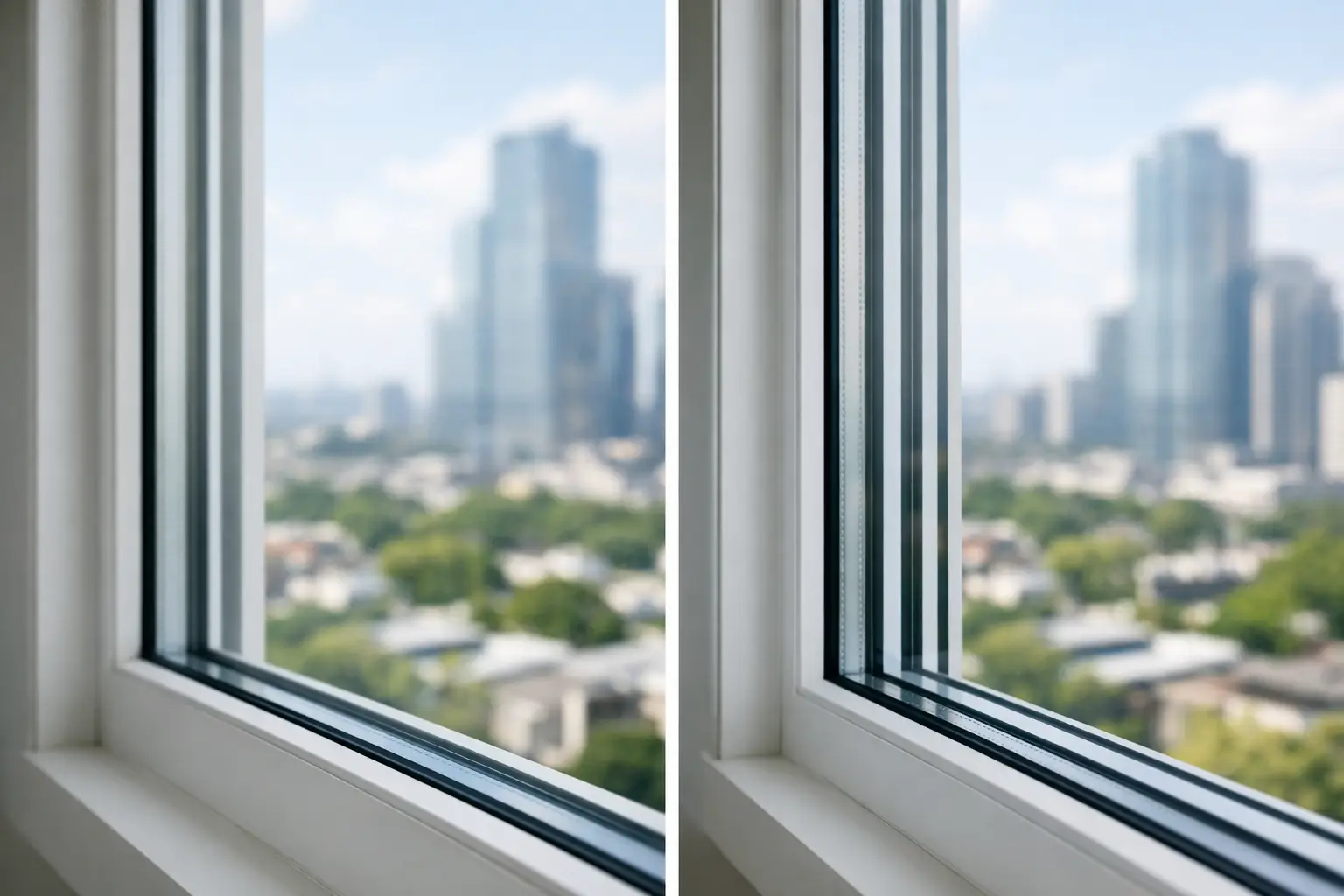
Triple-pane windows add a third layer of glass and another insulated space. They generally improve insulation and can make the inside glass surface warmer on cold days. That can be helpful for homes with persistent condensation concerns, rooms that feel cold near windows, or properties exposed to wind and winter weather.
They can also help with noise, although homeowners should not expect a triple-pane window to make a busy Vancouver street silent. Sound reduction depends on glass thickness, airspace, the opening style, wall construction, and how well the window is installed. Sometimes a specialized glass configuration does more for traffic noise than simply adding a third pane.
If this were my home, I would seriously consider triple pane for large exposed openings, a north-facing cold room, or a bedroom beside heavy traffic. For every small window in a relatively protected home, the extra cost may be harder to justify. The numbers should make sense, not just the sales pitch.
Energy Efficient Replacement Windows in Vancouver Need Good Installation
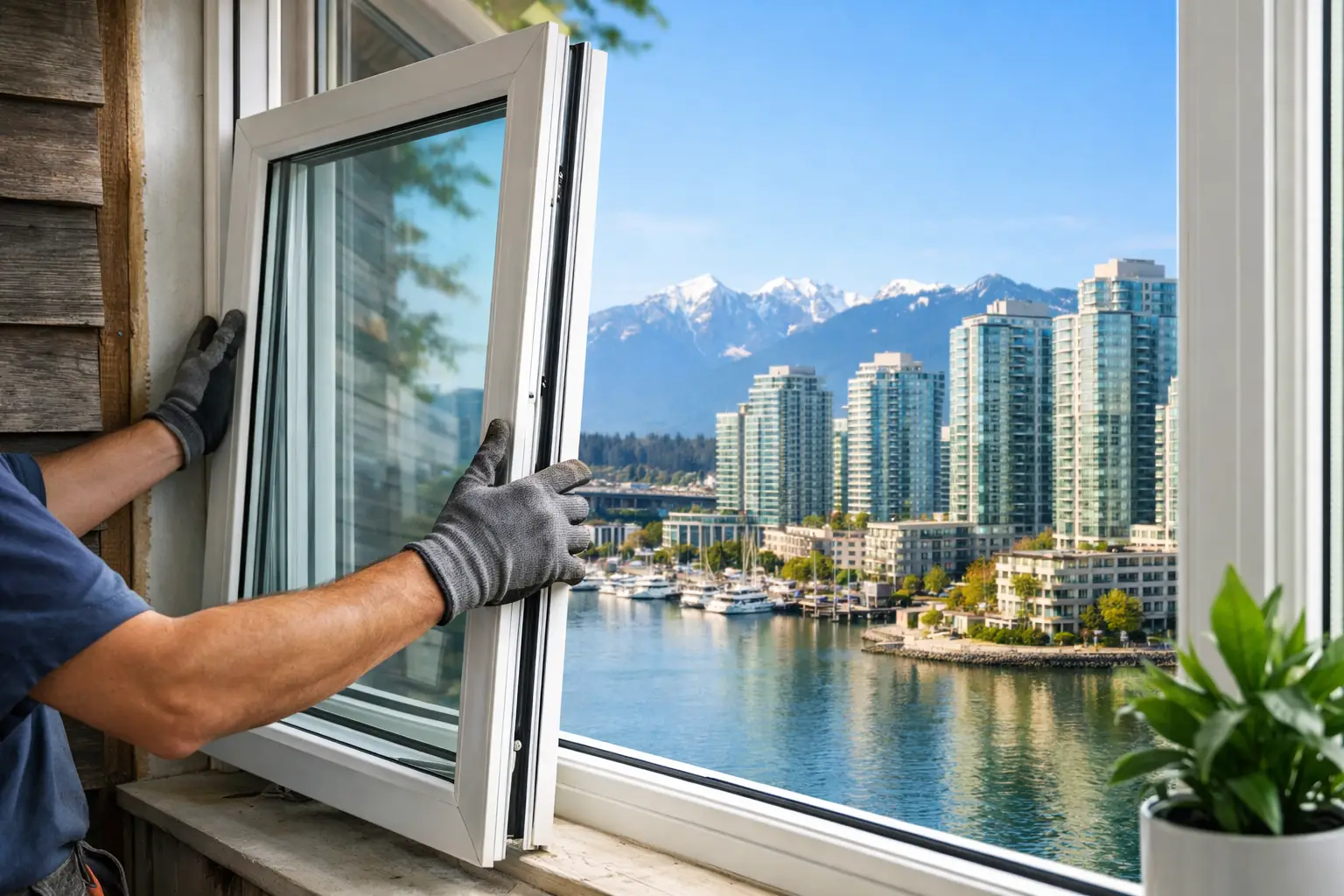
One question I get all the time is, “Are the windows themselves energy efficient?” That is a fair question, but it is only half the question. The other half is whether the replacement window will be installed properly in your existing opening.
Vancouver’s rain is not forgiving. A window replacement project should account for proper flashing, exterior sealing, drainage, interior air sealing, and the condition of the surrounding wall. The exact approach depends on the house and the window system. A 1970s Vancouver home with aluminum windows may require very different work than a newer townhome in Surrey.
Poor installation can create drafts, water concerns, damaged finishes, and performance problems that homeowners mistakenly blame on the new windows. A low quote can look attractive until you find out it excludes essential finishing work or assumes the existing trim and openings are in perfect shape. They often are not.
Ask every company to explain what is included around the window, not just what is included in the window. You want clear answers about removal, insulation, exterior capping or trim, interior finishing, disposal, cleanup, and what happens if hidden damage is found after the old unit comes out.
How to Compare Window Quotes Without Overpaying
Replacement window quotes can vary widely, and the highest price is not automatically proof of the best product. Sometimes it reflects better materials and more detailed installation. Other times, it reflects a sales system built around huge “today only” discounts that were baked into the original number.
When comparing quotes, make sure you are comparing like for like. A lower-priced quote may use a basic double-pane package, while another includes triple pane, different hardware, more complicated installation, or more finish work. That does not make either quote wrong. It means the details matter.
Here’s what I’d look at before signing anything:
- The frame material, window style, glass package, and whether Low-E and argon are included.
- Whether the quote identifies double pane or triple pane and explains why that option was recommended.
- The scope of removal, installation, exterior sealing, interior finishing, and disposal.
- Product and installation warranty terms, including who will handle a problem after the job is complete.
- The manufacturing source and expected installation timeline.
For a complete residential window replacement, homeowners should expect an investment in the thousands, with cost driven by the number of openings, window sizes, style, access, finish requirements, glass upgrades, and the condition of the existing home. A large custom bay window is not priced like a standard bedroom slider, and it should not be.
The goal is not to find the cheapest number. It is to understand what you are getting and avoid paying premium money for upgrades you do not need.
Common Vancouver Window Problems That Replacement Can Solve
Energy-efficient windows can help with several common issues, but it is worth being honest about what they can and cannot fix.
Drafty old windows, cold glass, failed seals between panes, sticking sliders, worn hardware, and significant exterior noise are all legitimate reasons to look at replacement. Condensation can also improve when warmer glass surfaces and tighter frames are installed.
But windows are not a cure for every moisture issue. If you have very high indoor humidity, limited bathroom ventilation, or moisture collecting on walls, new windows alone may not solve it. In fact, a tighter home can make ventilation habits even more important. Cooking, showers, drying clothes indoors, and humidifiers all add moisture to the air.
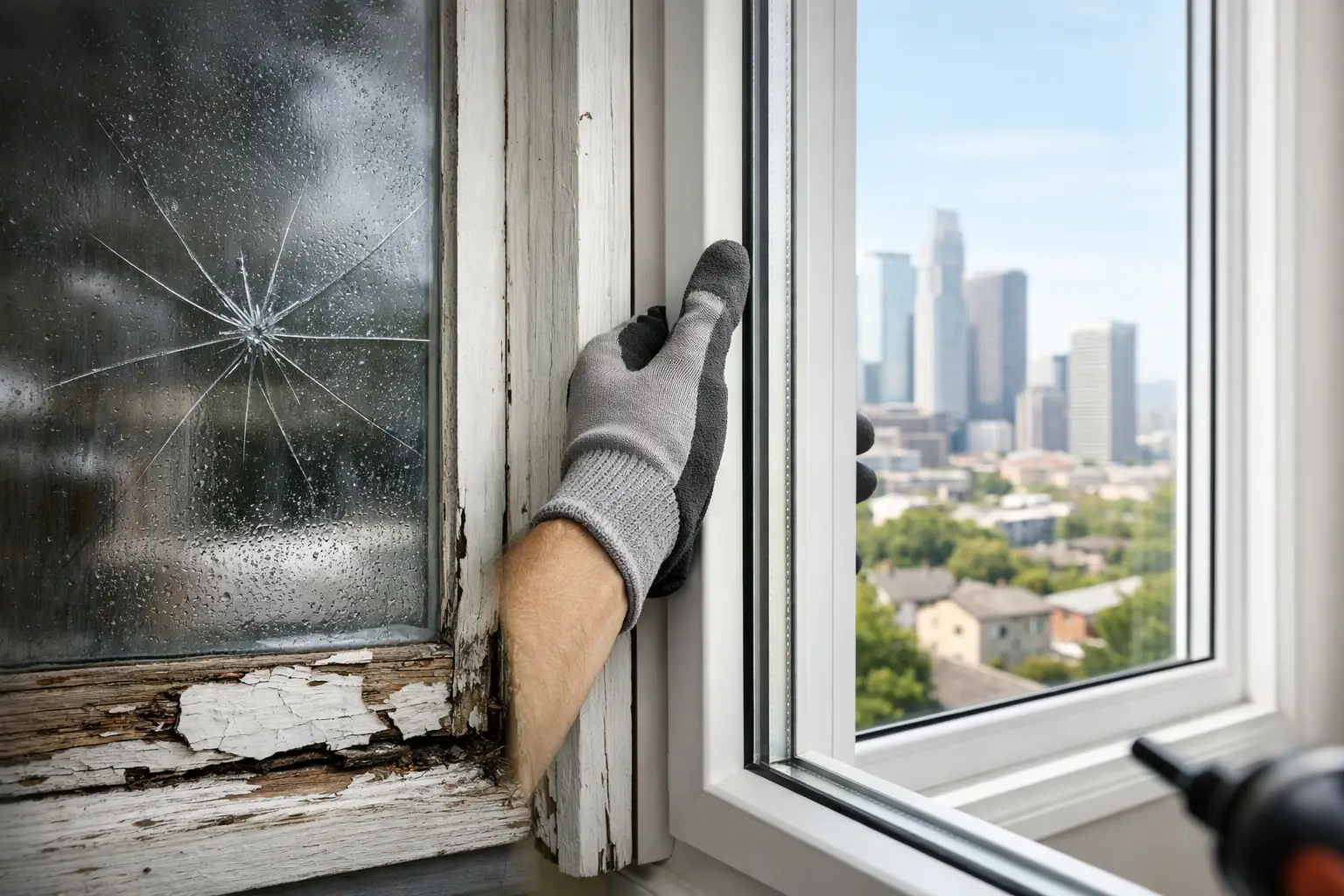
Fogging between glass panes is different from condensation on the room side of the glass. Fogging between panes usually means the sealed unit has failed. When that is happening across multiple old windows, and the frames or operating hardware are also tired, complete window replacement is often more practical than chasing individual fixes.
Which Window Styles Perform Best?
Fixed picture windows are generally the most energy-efficient style because they do not open and have fewer moving parts. Casement and awning windows also tend to seal very well when closed because the sash compresses against the frame.
Sliders are popular in many Lower Mainland homes and can be a sensible, affordable choice. A good modern slider is much better than an old aluminum one, but it may not seal quite as tightly as a quality casement. That does not mean every slider should be replaced with a casement. Window style should fit how you use the room, your budget, ventilation needs, screen preferences, and the look of the home.
For example, an awning window above a kitchen counter can provide ventilation during light rain. A casement can work well where you want a wide opening for airflow. A picture window makes sense where the view matters more than ventilation. Practical choices usually age better than trendy ones.
Questions Homeowners Ask About Energy-Efficient Windows
Will new windows lower my heating bills?
They can reduce heat loss and drafts, especially when replacing old, leaky windows. Savings vary too much by home, thermostat habits, insulation, and heating system for anyone to promise a specific dollar amount. The comfort improvement is often the first benefit homeowners notice.
Do I need triple-pane windows in Vancouver?
Not necessarily. Quality double-pane Low-E argon windows are a strong choice for many homes. Triple pane makes more sense when you have cold rooms, exposed locations, substantial noise, or you want the highest insulation performance available within your budget.
How long does window replacement take?
The installation itself often takes a few days for a typical multi-window home, depending on scope and weather. Manufacturing is a separate timeline. Locally manufactured windows can often be installed in roughly four to six weeks, although custom work and unusual conditions can affect timing.
What warranty should I expect?
Read both the product warranty and the installation warranty. They cover different things. A strong product warranty matters, but so does knowing who will answer the phone and address an installation concern years later.
Before you choose energy efficient replacement windows in Vancouver, focus less on the flashiest brochure and more on the complete package: a suitable window, the right glass for your home, clear installation details, and a company that gives you straight answers. At The Local Window Guy, that is the conversation I believe homeowners deserve before they spend a dollar.