A cold patch beside the couch, water gathering on the sill, or traffic noise that seems louder every year can be more than a minor annoyance. They are often signs you need window replacement, especially in Lower Mainland homes with older aluminum frames, tired seals, or original windows that have seen a few Vancouver winters.
Here’s the straight answer: replacement windows make sense when the window is no longer doing its basic jobs – keeping out weather, managing indoor comfort, operating safely, and protecting the wall around it. One small issue does not always mean you need to replace every window tomorrow. But when several symptoms show up together, it is usually time to look at the bigger picture.
10 Signs You Need Window Replacement
1. You feel drafts near closed windows
A draft is one of the clearest warning signs. On a windy, wet day, put your hand around the frame, sash, and lock area. If cold air is coming through even when the window is fully closed, the seals, weatherstripping, or frame may no longer be doing their job.
Some air movement can come from an exterior door, a bathroom fan, or a furnace register, so do not condemn a window based on one chilly corner. But if several windows are drafty, particularly older sliding aluminum units, window replacement can make the whole room feel more consistent.
2. Condensation forms between the panes
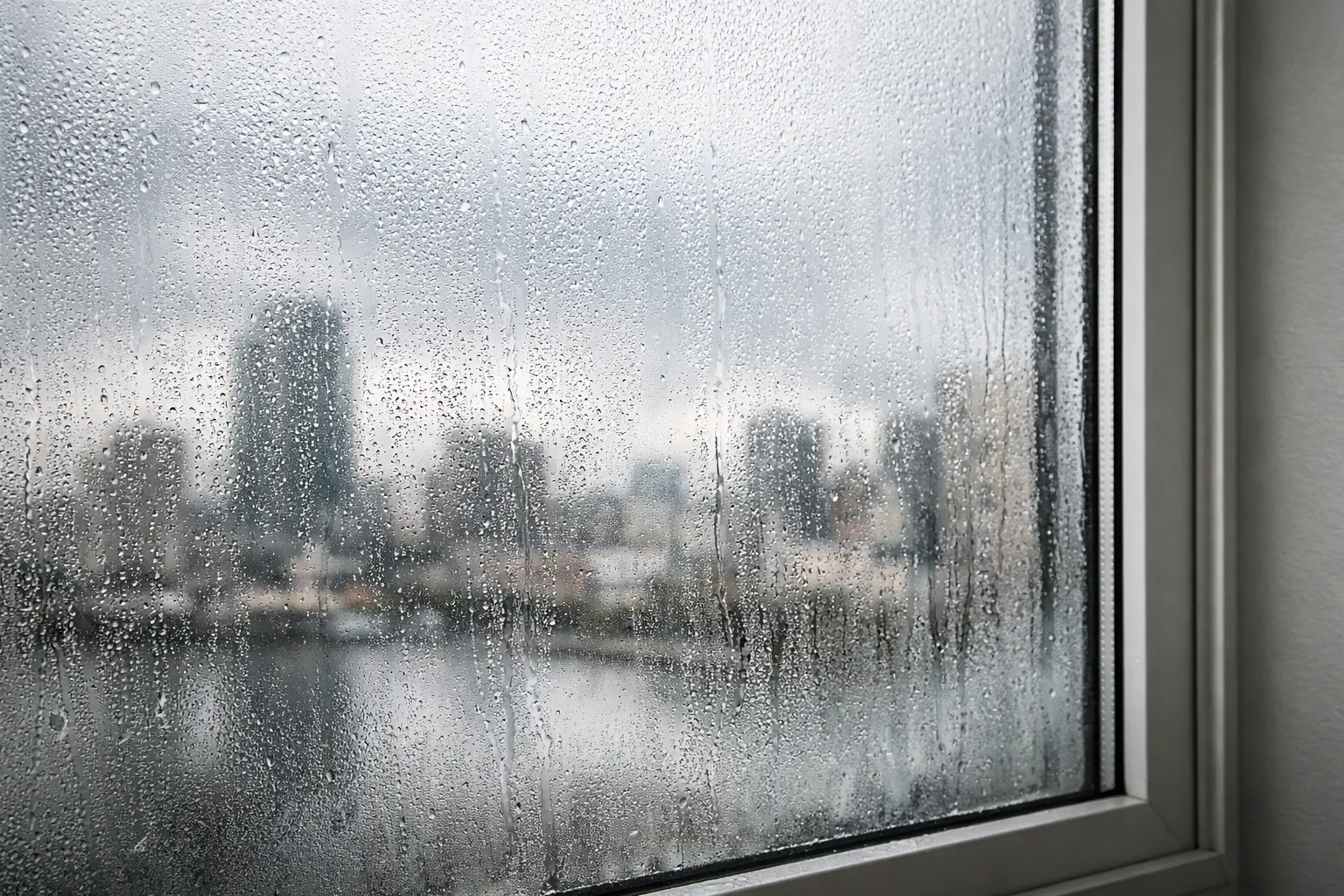
Condensation on the room side of a window can be an indoor humidity issue. It is common in winter when a home is tightly closed up, and cooking, showers, and drying clothes add moisture to the air. That alone does not automatically mean the window has failed.
Condensation or fogging between the glass panes is different. It usually means the insulated glass seal has failed and the gas-filled space between the panes is no longer sealed. The view can turn hazy, moisture may come and go with the weather, and insulation performance drops. When this is happening across multiple windows, full window replacement is often the more sensible long-term investment than chasing individual glass issues in aging frames.
3. Your windows are hard to open, close, or lock
Windows should not require a shoulder check to close. If a sash sticks, slides poorly, will not stay open, or needs force to lock, there may be frame movement, worn hardware, swelling, or age-related distortion.
This matters beyond convenience. A window that does not lock properly is a security concern, and one that cannot open easily may not provide dependable ventilation or emergency egress where needed. Sometimes hardware adjustment helps. If the frame, sash, and hardware are all tired, though, replacement is usually the better fix.
4. The frames are cracked, soft, warped, or deteriorating
Take a close look at the frame and sill, not just the glass. Wood frames can rot after years of moisture exposure. Older vinyl can become brittle or warp. Aluminum frames may remain structurally intact but transfer cold readily and can contribute to heavy interior condensation.
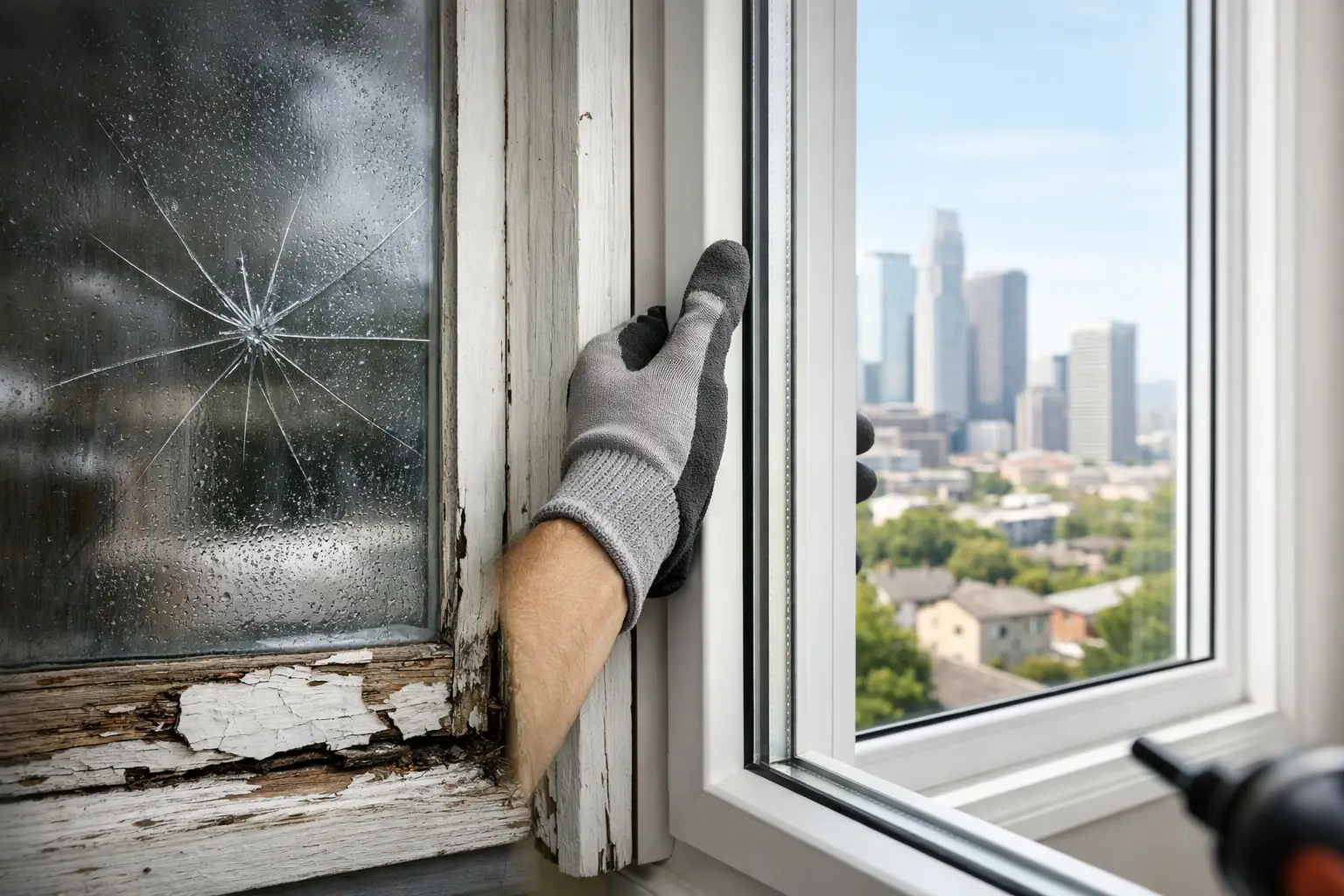
Soft wood, peeling paint caused by recurring moisture, visible rot, cracks, or separated joints deserve attention. At that point, the question is not only whether the window looks rough. You also want to know whether water has reached the surrounding wall. A proper replacement project includes assessing the opening and addressing any issues found during installation, rather than covering them up and hoping for the best.
5. Rooms are too cold in winter or too hot in summer
Many homeowners tell me the furnace runs, but the living room still feels chilly near the windows. Others have a south- or west-facing room that turns into a greenhouse on sunny summer afternoons. Old windows are not always the only cause – insulation, air leakage, and orientation matter too – but they can be a major contributor.
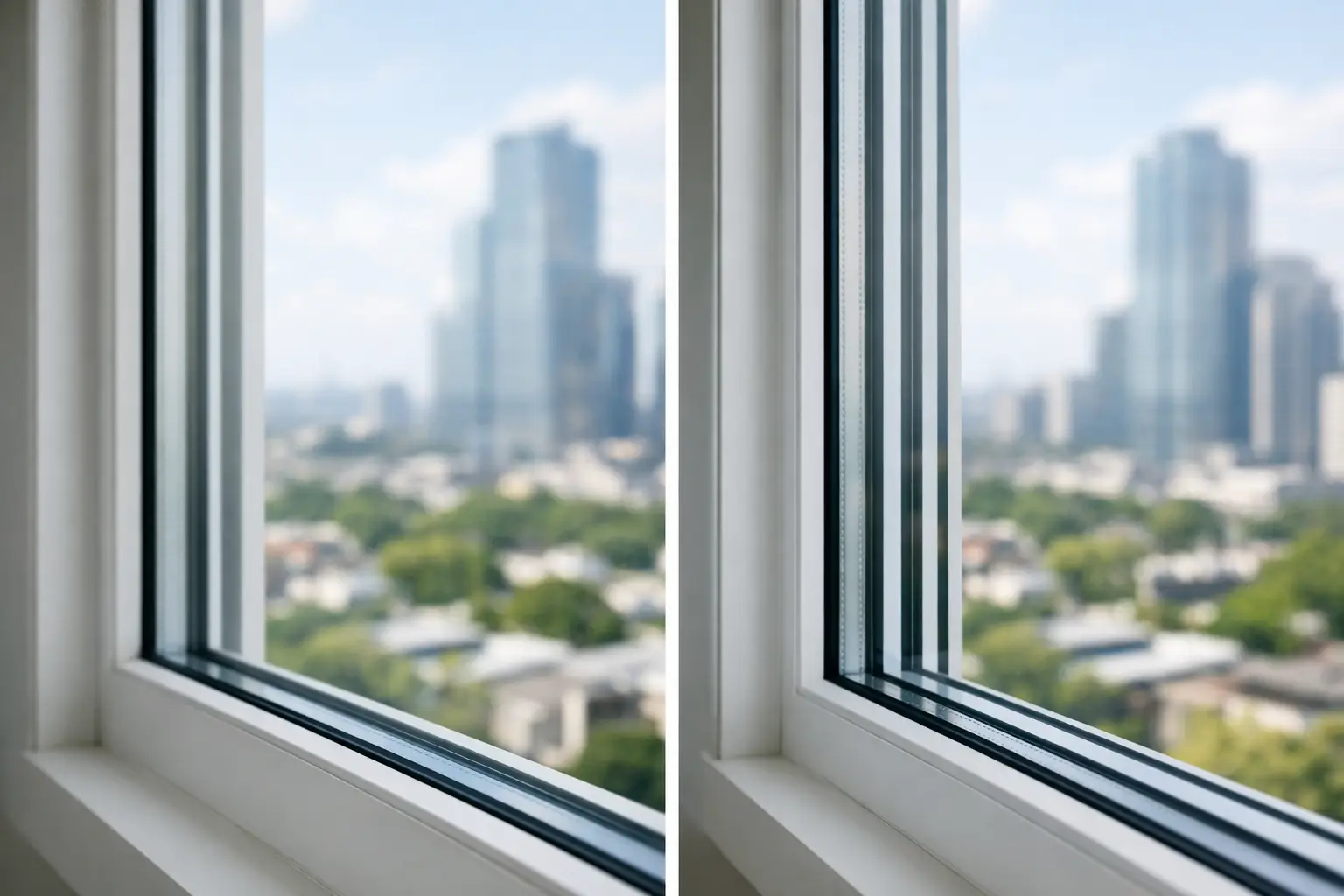
Modern double-pane, Low-E replacement windows are a meaningful improvement over older single-pane or early double-pane units. Low-E is a thin coating that helps manage heat transfer while still letting in daylight. For most Lower Mainland homes, a well-built double-pane window with the right glass package is often a practical choice. Triple-pane can be worth considering in very exposed locations, particularly cold rooms, or homes close to busy streets, but it is not a mandatory upgrade for every window in every house.
6. Outside noise is disrupting your home
Replacement windows can reduce outside noise, but I like to set realistic expectations. They will not make a home beside a major route completely silent. Sound can also enter through walls, vents, doors, and gaps around the building.
That said, poorly sealed old windows, loose sliders, and thin glass can make traffic, aircraft, and neighborhood noise much more noticeable. If sound reduction is a priority, tell the company early. The best solution may involve a specific glass combination, better air sealing, or a different window style. Do not pay extra for triple-pane simply because someone says it is automatically “soundproof.” It depends on the glass makeup and the opening.
7. You see water stains, mold, or recurring moisture around windows
Black spotting on trim, peeling drywall, swollen sill material, or staining below a window should never be ignored. Indoor humidity may be part of the problem, but recurring moisture can also point to condensation on cold frames, failed seals, poor exterior drainage, or an installation issue from years ago.
Mold is not a cosmetic window problem. First, reduce indoor moisture with ventilation where appropriate. Then determine whether the window is cold, leaking, or allowing water into the opening. If water is getting into the wall, replacing the window correctly matters far more than choosing the fanciest glass package.
8. Your energy bills keep climbing without another clear reason
No honest window company should promise that new windows will slash your utility bill by a specific amount. Too many variables are involved, including insulation, heating equipment, thermostat habits, and the size of the home.
Still, drafty and inefficient windows can put extra strain on heating and cooling. The benefit of window replacement is often felt as comfort first: fewer cold spots, less condensation, and rooms that are easier to use year-round. Any energy savings are a welcome part of the equation, not a magic payback story.
9. Your windows look dated and no longer suit the home
Appearance is a valid reason to replace windows. Faded frames, cloudy glass, mismatched replacements, bulky old aluminum profiles, and dated grids can make an otherwise well-kept home feel tired.
The practical point is timing. If you are already planning exterior paint, siding work, or a renovation, coordinating window replacement can prevent duplicate labor and messy touch-ups later. Choose a style that works with the home rather than chasing whatever is trendy this year. Simple, well-proportioned windows tend to age better than flashy upgrades.
10. You are replacing several windows one at a time
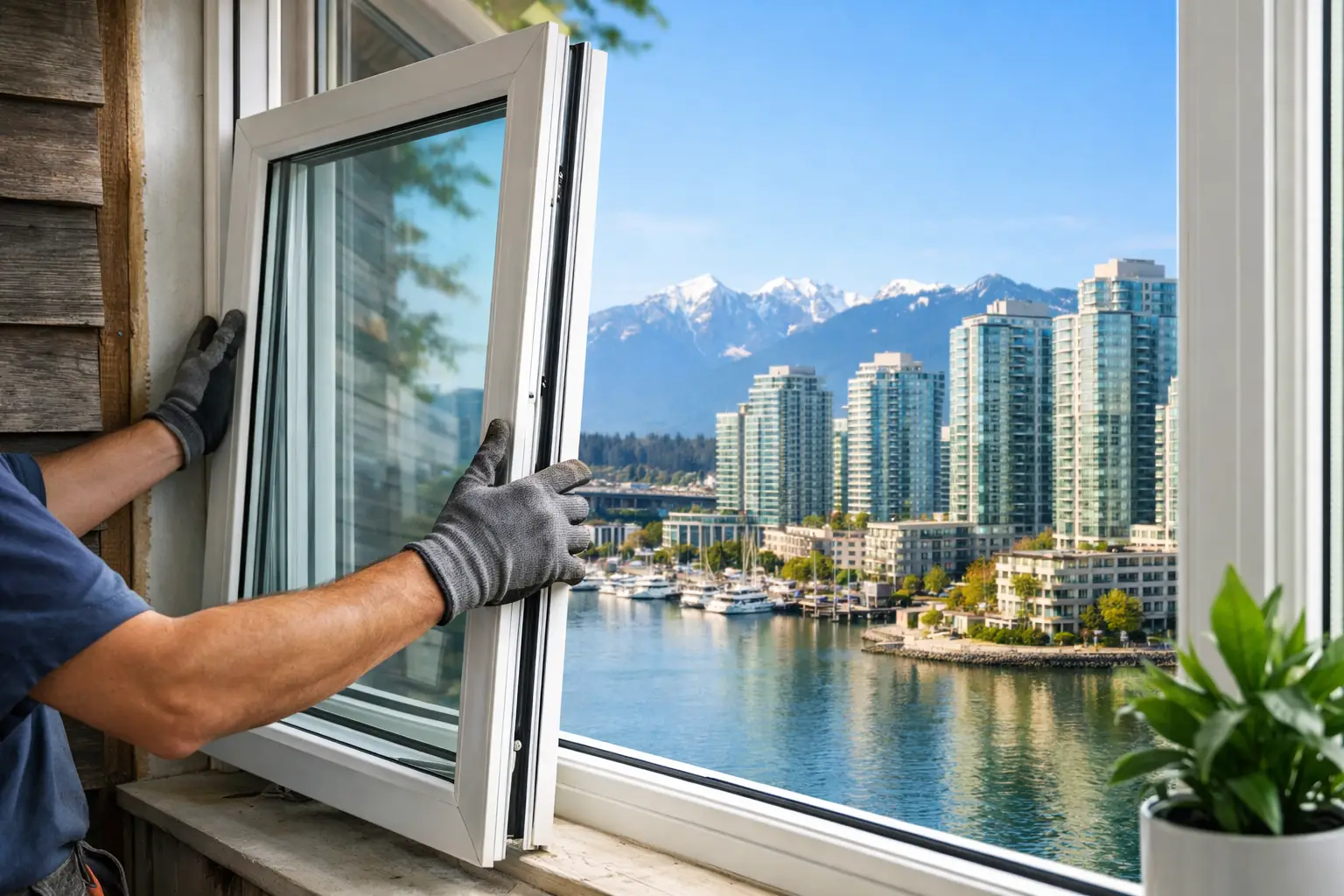
A single damaged window is one thing. But if multiple windows are fogged, drafty, difficult to operate, or nearing the end of their useful life, replacing them as a planned project can be more efficient than reacting room by room.
You also get a more consistent look, glass performance, and warranty coverage. That does not mean everyone needs to replace every window at once. A staged approach can be sensible when budget is the limiting factor. If this were my home, I would prioritize bedrooms, heavily used living areas, windows with moisture concerns, and the coldest or noisiest sides first.
When You May Not Need Full Window Replacement Yet
Not every window concern calls for a major project. Interior condensation that disappears after improving ventilation may not require new windows. A window that needs a minor adjustment, fresh caulking in an appropriate location, or replacement weatherstripping may have useful life left.
The key is not to confuse a temporary fix with a long-term solution. If the insulated glass is fogged, frames are deteriorating, and rooms are uncomfortable, small repairs can become money spent delaying the inevitable. On the other hand, replacing a decent window just because a salesperson found one minor imperfection is not smart either.
What to Look for in a Replacement Window Quote
When comparing quotes, make sure you are comparing more than a big final number. A low price can leave out trim work, disposal, installation details, or the glass package. A high price can include upgrades that sound impressive but do not solve your specific problem.
Ask what window style is proposed, what glass package is included, how the opening will be prepared, who handles installation, and what the product and installation warranties cover. For Lower Mainland homeowners, locally manufactured replacement windows can also be worth asking about. Local production can make product access, service, and timelines more straightforward than dealing with a distant supplier.
One question I get all the time is, “Should I choose the best option available?” Not necessarily. Choose the right option for your home, exposure, comfort goals, and budget. Spend more where it fixes a real problem. Save where the upgrade adds very little value.
FAQs About Signs You Need Window Replacement
How long do residential windows last?
It depends on the window type, installation quality, exposure to weather, and maintenance. Rather than replacing windows based on age alone, look at performance: drafts, failed seals, operation, moisture, and frame condition are more useful indicators.
Is foggy glass a reason to replace windows?
Fog between panes usually means the insulated glass seal has failed. If it affects several older windows or the frames are also worn, full window replacement is often the more practical choice.
Should I replace windows before selling my home?
It depends on the existing condition and your local market. Severely fogged, damaged, or outdated windows can hurt first impressions. If the windows are functional, a full replacement may not return every dollar immediately. Focus first on issues buyers will clearly notice, such as moisture damage, failed glass, or windows that do not operate.
If your home is showing several of these signs, start with an honest assessment rather than a rushed decision. A good window replacement conversation should leave you clear on what needs attention now, what can wait, and where your money will make the biggest difference. That is the approach I take at The Local Window Guy.