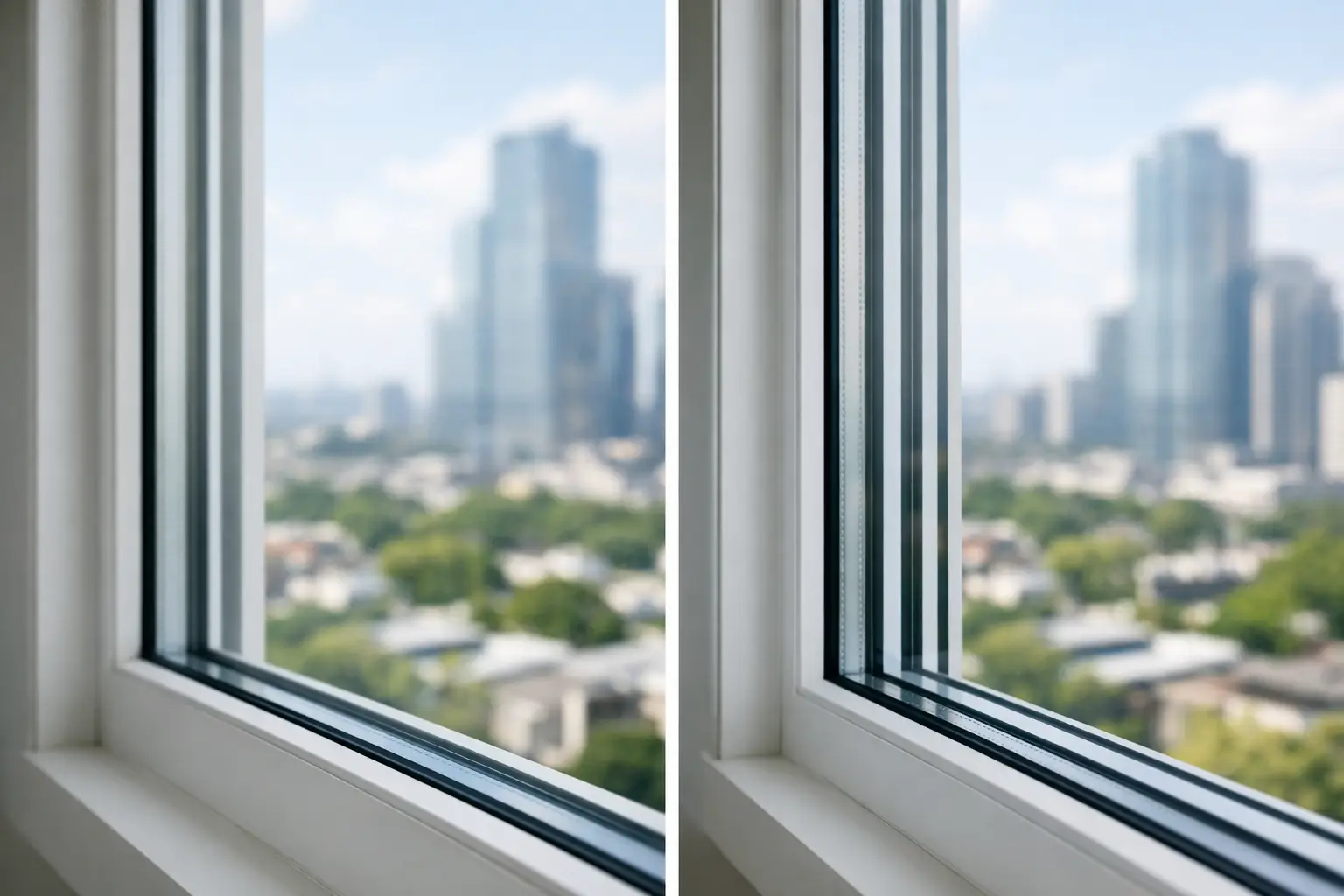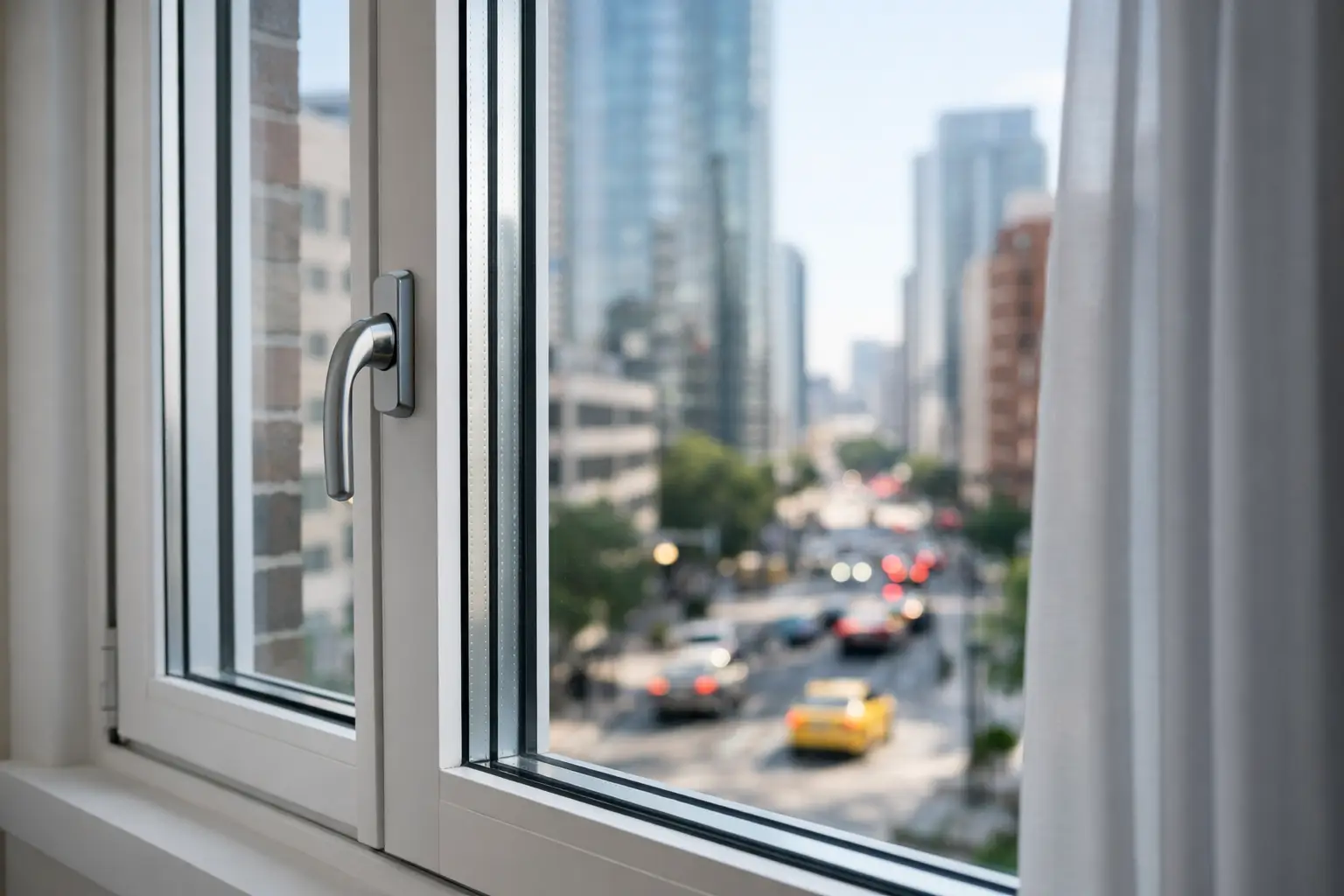
A garbage truck at 6 a.m., traffic along a busy Vancouver corridor, a neighbor’s heat pump, or planes overhead can make a perfectly good room feel less relaxing. Homeowners often ask me about windows to reduce outside noise, and the straight answer is this: the right residential window replacement can make a noticeable difference, but not every expensive upgrade delivers the result people expect.
Noise reduction comes from the whole window system – the glass package, frame, operating style, and installation around the opening. If sound is slipping through old aluminum sliders, worn weatherstripping, or gaps at the perimeter, a well-chosen replacement window can make the room substantially calmer. If the wall, exterior vent, or patio door is the weak point, windows alone will not solve everything.
What windows reduce outside noise best?
For most Lower Mainland homes, I would start with a quality double-pane replacement window that has an airtight frame and professional installation. If traffic, train, aircraft, or construction noise is a major issue, laminated glass is usually the upgrade worth discussing before automatically jumping to triple-pane glass.
Laminated glass uses two panes bonded together with a clear inner layer. That layer helps dampen sound vibrations, particularly the sharper, higher-frequency noises people tend to notice most, such as voices, tire noise, and dogs barking. It also has security benefits, although sound reduction may be the reason you choose it.
A second useful option is an insulated glass unit with panes of different thicknesses. Sound travels differently through each thickness, so the window is less likely to pass the same sound frequency straight through. You may hear this called an asymmetric glass package. The name is technical; the idea is simple.
Here is what I tell homeowners: do not buy a window based only on the number of panes. Triple-pane windows can help with sound and insulation, but they are not automatically the quietest choice. A double-pane unit with laminated glass and different pane thicknesses may be a better sound-focused choice than a standard triple-pane unit. It depends on the noise you are dealing with and the window options available for your opening.
Why window replacement affects noise so much
Old windows often make noise feel worse for two separate reasons. First, thin glass and older frames do little to interrupt sound. Second, air leaks let sound travel through the same openings that cause drafts. Sound is a bit like cold air in that respect: it finds the easy path.
Many homes in Burnaby, New Westminster, Vancouver, and the Tri-Cities still have older aluminum windows or aging sliders. Those windows can be cold, prone to interior condensation, and surprisingly noisy. Replacing them with modern vinyl replacement windows with proper compression seals can improve comfort even before adding a specialty sound-control glass package.
The installation matters just as much. A premium window installed into an opening with unsealed gaps is like putting a good front door into a frame that does not quite close. The product may be excellent, but the result will disappoint. During window replacement, the opening needs to be properly prepared, insulated where appropriate, and sealed on both the interior and exterior. That work helps control drafts, moisture, and unwanted sound.
Fixed windows are naturally quieter
A fixed picture window has no moving sash, so it has fewer potential paths for air and sound. Casement and awning windows can also perform very well because they close against compression seals. Sliding windows are practical and often budget-friendly, but their design typically has more opportunity for sound and air movement than a well-made casement.
That does not mean every slider should be replaced with a casement. Sometimes a slider is the right choice for a bedroom, a tight walkway, or a particular architectural look. It simply means operating style should be part of the conversation when outside noise is a top concern.
Double-pane vs. triple-pane for outside noise
One question I get all the time is whether triple-pane windows are necessary for a quieter house. My answer is usually: maybe, but let’s identify the actual problem first.
Triple-pane replacement windows are excellent for thermal performance. In the Lower Mainland’s damp winters, they can make rooms near the glass feel more comfortable and help reduce condensation risk when the home’s humidity is managed properly. They can also provide some sound benefit because of the additional layer of glass and airspace.
But there are trade-offs. Triple-pane costs more, weighs more, and may not be the best use of the budget in every room. If the main complaint is traffic noise at the front of the home, I would compare the added cost of triple-pane against a sound-focused double-pane laminated option. For a quieter backyard bedroom with no major noise source, standard double-pane may be all you need.
If this were my home, I would often put the higher-performing sound package on the noisiest elevations first – perhaps the front living room, street-facing bedrooms, or a home near a busy route in Surrey, Richmond, or Coquitlam. The quieter sides of the house may not need the same upgrade. That is a more sensible approach than paying for the top package everywhere because a salesperson says it is “the best.”
The details that make a quiet window package
When comparing window replacement quotes, ask what is actually included in the glass and installation. “Soundproof windows” is a marketing phrase, not a magic product category. No residential window makes a home completely silent.
A good discussion should cover the following:
- Whether laminated glass is included and on which pane
- Whether the glass panes are different thicknesses
- The size of the airspace between panes
- The window style and weatherseal design
- How the existing opening will be insulated and sealed
- Whether patio doors, exterior vents, or other openings are contributing to the noise
You do not need to become a window engineer at the kitchen table. You do deserve clear answers. If two quotes have a large price difference, it may be because one includes a different glass package, a different installation scope, or upgrades you may not actually need.
Do Low-E coatings and argon reduce noise?
Low-E coatings and argon gas are primarily energy-efficiency features. Low-E helps manage heat transfer through the glass, while argon is an insulating gas placed between panes. They are worthwhile for comfort and energy performance, but they are not the main tools for stopping outside noise.
That distinction matters because some window presentations pile every feature into one big promise. Better insulation, less condensation, and quieter rooms are related benefits, but they do not all come from the same component. For sound, airtightness, glass construction, and installation deserve the most attention.
Do not overlook patio doors and walls
Sometimes homeowners replace the windows facing a busy road and still hear more noise than expected. The reason can be a nearby patio door, especially an older sliding door with tired seals. A patio door replacement may be necessary to bring the whole wall up to the same level of performance.
Exterior wall vents, fireplaces, and even a poorly sealed front door can also carry sound. In older homes, there may be limits to what any window can accomplish if the wall itself has little insulation. That is not a reason to avoid window replacement. It is a reason to set realistic expectations before spending money.
What should sound-reducing window replacement cost?
There is no honest one-price answer because window sizes, styles, access, installation details, and glass packages vary widely. Adding laminated or specialty glass does increase the cost, and triple-pane generally adds more as well. The right question is not simply, “What is the cheapest quiet window?” It is, “What improvement am I likely to notice for the additional cost?”
Ask for the standard option and the sound-focused option to be shown separately. Then compare the incremental cost room by room. If a $600 upgrade on one street-facing bedroom makes sense for how your family uses the room, great. If the same upgrade across twelve quiet windows adds thousands without a noticeable benefit, I would rather see you keep that money.
At The Local Window Guy, that is the kind of conversation I prefer to have. Locally manufactured windows and a clear installation plan matter, but so does matching the product to the problem instead of selling the most expensive package by default.
A practical way to plan quieter rooms
Before requesting quotes, spend a few minutes identifying when and where the noise bothers you most. Is it early-morning traffic in the primary bedroom? Kids trying to sleep near a busy street? A home office that faces a school pickup line? The answer helps determine which windows deserve the upgrade.
Also listen near the frame, not only through the center of the glass. If you can feel a draft or hear a whistle during windy weather, sealing and full window replacement may provide a bigger improvement than changing glass alone. Take note of nearby doors and vents as well.
A quieter home does not require buying every upgrade on the menu. It requires choosing the right replacement windows for the loudest parts of your home, making sure they are installed properly, and being realistic about the other paths sound can take. That is how you spend your window replacement budget where you will actually feel the difference.